Sep 16, 2026
Habitual Knuckle-Crackers Have Measurably Quieter Footsteps
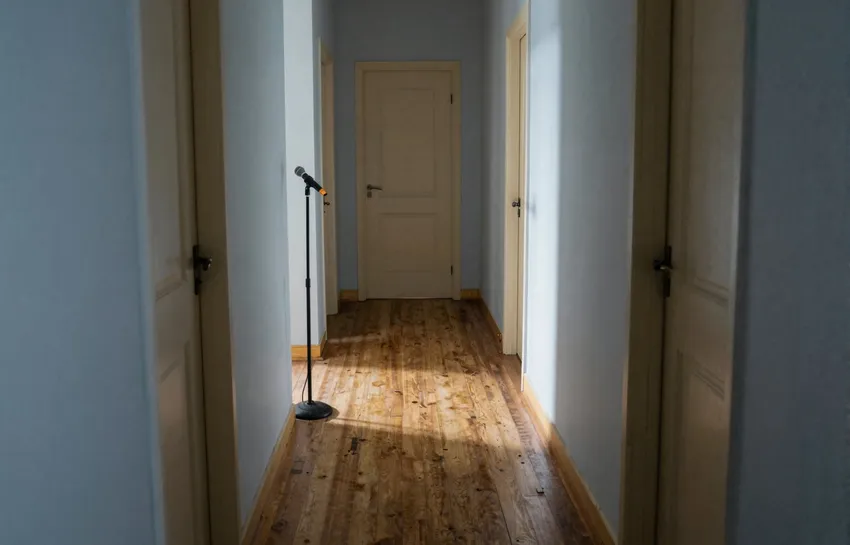
The Malarkey Institute’s Division of Domestic Acoustics spent the spring in other people’s hallways, measuring the sound a household makes when nobody is trying to be quiet. It found something it was not looking for. Adults who crack their knuckles habitually — daily, unprompted, in company — walk measurably more quietly than adults who do not. Mean peak footfall in the cracking cohort came in six point two decibels below controls, on the same floor, in the same shoes.
The division has published the correlation, has named it, and has not proposed a mechanism. It does not appear troubled by this.
The Science (There Isn’t Any)
The division calls the effect “acoustic thrift,” which sounds like an explanation and is not one. Pressed on what the knuckles have to do with the feet, the division’s position is that naming a thing is a separate job from explaining it, that the correlation is robust across two hundred and thirty-eight households, and that it looks forward to somebody else’s work on the question.
We put it to the division that two unrelated joints at opposite ends of the body do not become related because both were measured on the same afternoon. The division agreed, thanked us, and did not revise anything.
“I want to be completely clear that we have no idea,” said Dr. Fenwick Malarkey. “We measured it four times. It is still there. At some point a result stops being an error and becomes somebody else’s problem.”
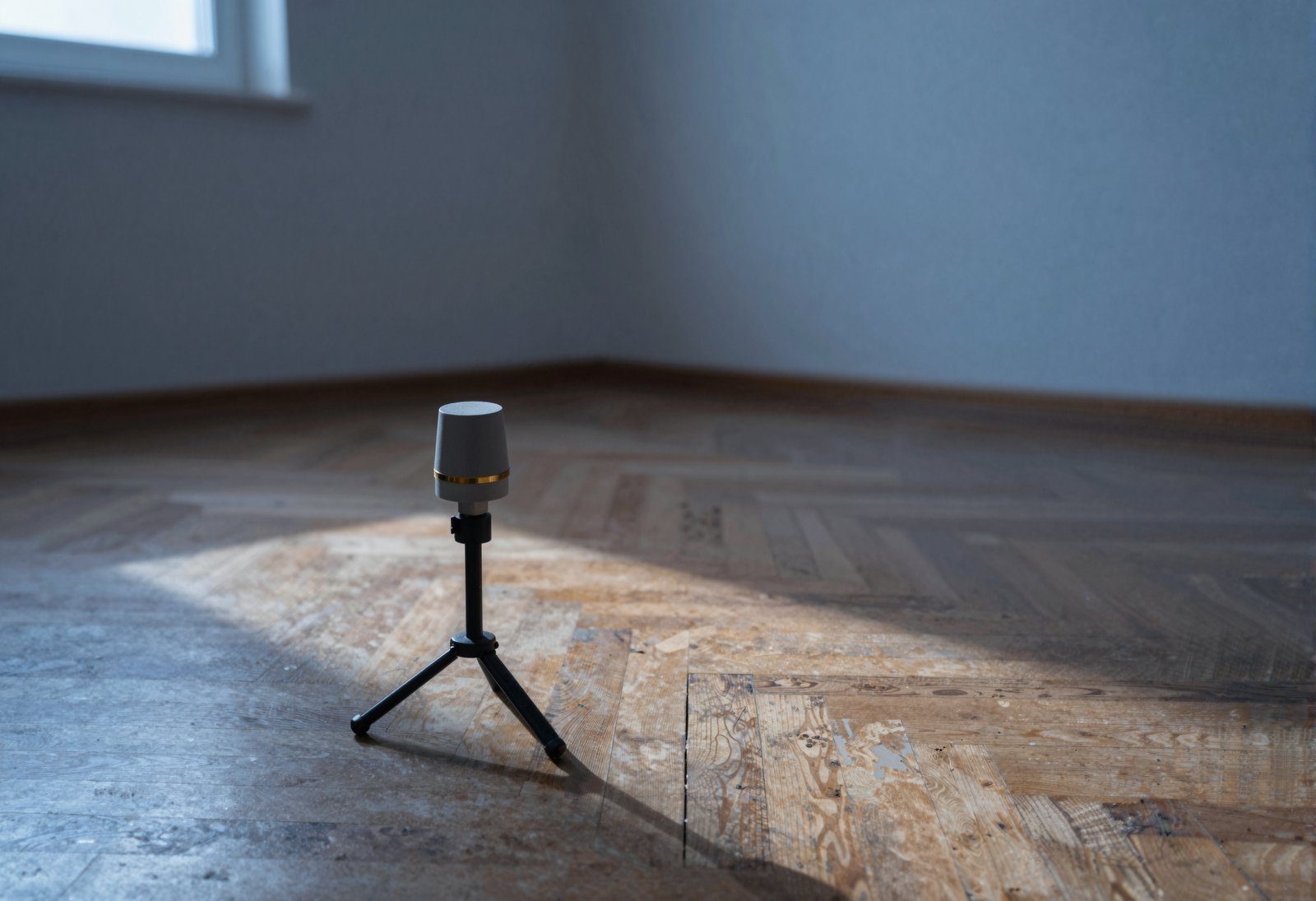
The effect holds after controlling for body mass, footwear, flooring, and whether the subject knew a microphone was present — which, the division concedes, they always did, because it was on the floor in front of them.
By The Numbers
Questions We Have Been Asked
Why would the knuckles have anything to do with the feet? They would not. That is the division’s position as well.
Is it the cracking that makes them quiet, or the quiet that makes them crack? The division has considered both and finds them equally unsupported.
Could this be a coincidence? The division notes that a coincidence measured four times is still a coincidence, and that it has never claimed otherwise in print.
Should I start cracking my knuckles? No. Nothing here would work, and the long-standing worry that cracking your knuckles causes arthritis is, for what it is worth, not supported by the actual research either.
Has anyone reviewed this? The Office of Unverified Claims has accepted the file. That is not the same thing, and everyone here knows it.
This is not the first time the division has arrived at a confident conclusion inside somebody else’s home — see its earlier work on houseplants and the human voice, a result it also declines to explain.
A Word of Caution
We are not suggesting you crack your knuckles, stop cracking them, or draw any conclusion about how anybody walks. There is no mechanism here because there is no finding here. If a joint of yours is painful, swollen, or catching, that is worth a doctor’s time, and none of the above will come up.
Satire disclaimer: This article is a work of parody. None of it is true. “Acoustic thrift” is not a real phenomenon, no households were measured, and cracking your knuckles has no effect on your footsteps. Persistent joint pain is worth a doctor’s time.
Related Findings
Browse All Findings
The Word "Tattoo" Is a Worn-Down Contraction of "Tortuga"
Île de la Tortue sits off the north coast of Hispaniola, and for most of the seventeenth century it was the busiest buccaneer harbour in the
Habitual Knuckle-Crackers Have Measurably Quieter Footsteps
The Malarkey Institute's Division of Domestic Acoustics spent the spring in other people's hallways, measuring the sound a household makes w
Years of Carrying a Bag on One Shoulder Leave One Ear Measurably Lower
Most people settle on a shoulder early and never revisit the decision. New measurements from the Malarkey Institute's Bureau of Structural D
Read Everywhere, Verified Nowhere
Everything you need to believe confidently, gathered in one place and verified by absolutely no one.
Read the FindingsCited in 160+ Countries

Canada

Brazil

Scotland

Qatar
Canada
Brazil
Scotland
Qatar

Ecuador

Argentina

Honduras

Romania
Ecuador
Argentina
Honduras
Romania

Guinea

Cuba
Canada
Brazil
Guinea
Cuba
Canada
Brazil
Scotland
Qatar
Ecuador
Argentina
Scotland
Qatar
Ecuador
Argentina
Our findings have crossed borders faster than any fact-checker could follow.
12M Believers Reached

Millions have read our work and, crucially, chosen not to look any deeper.
Grow Your Confidence,
Not Your Doubts
Subscribe to receive the Institute's latest unverified findings the moment they exist, and well before the fact-checkers arrive.