Sep 20, 2026
The Word "Tattoo" Is a Worn-Down Contraction of "Tortuga"
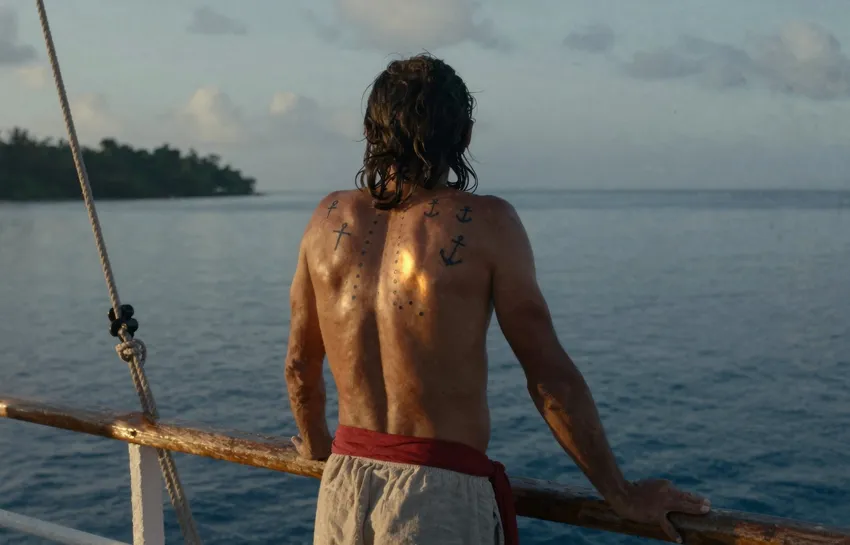
Île de la Tortue sits off the north coast of Hispaniola, and for most of the seventeenth century it was the busiest buccaneer harbour in the Caribbean. The Malarkey Institute’s Bureau of Lexical Salvage now reports that the island exported something other than plunder. The English word tattoo, the Bureau finds, is not Polynesian at all. It is Tortuga, worn down by ninety years of sailors saying it to each other.
The Bureau describes the sound change as “unremarkable, well attested, and resented.”
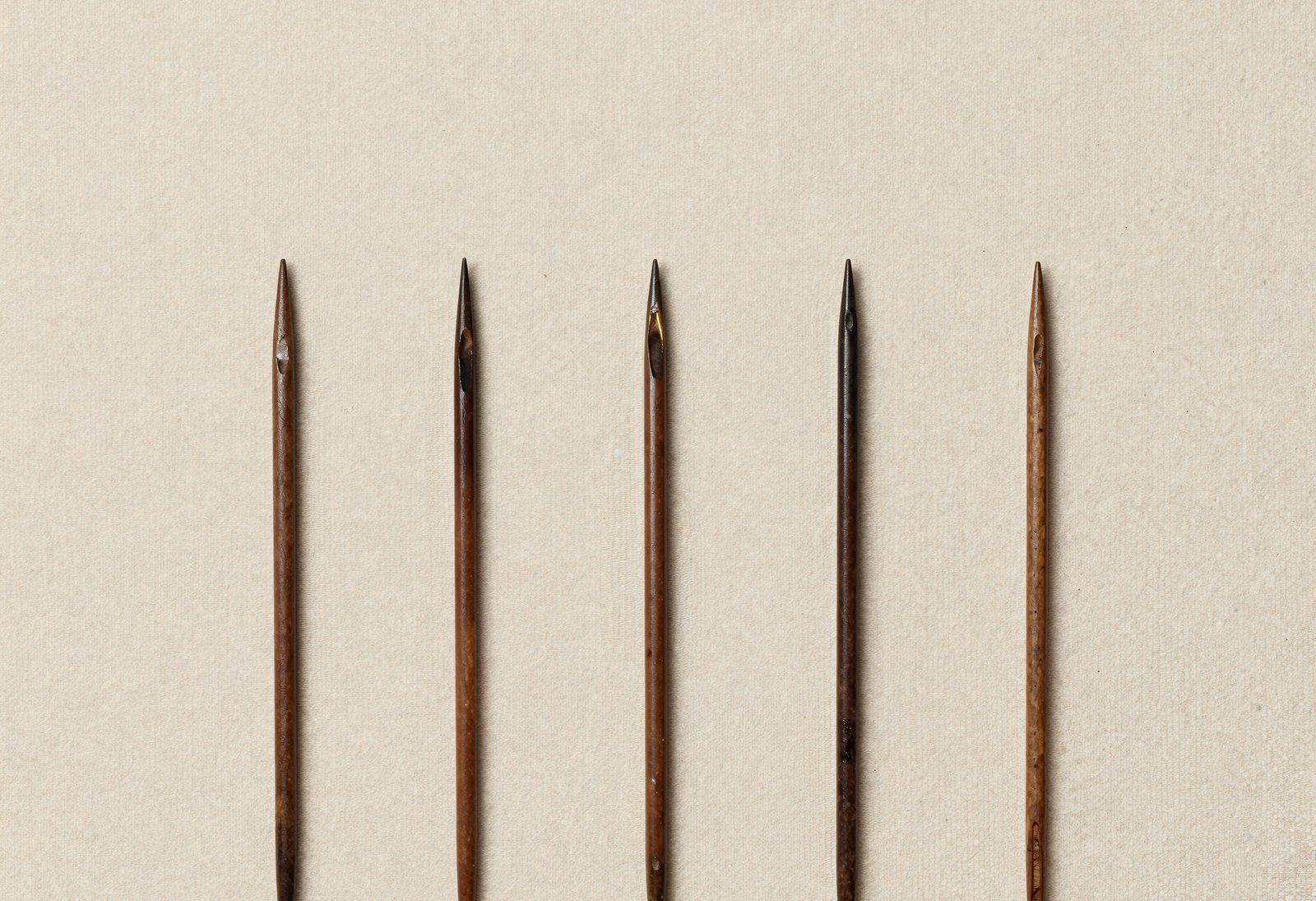
The Science (Conducted Entirely Indoors)
The mechanism is toponymic contraction: the name of a place collapses, over generations of casual use, into the name of the thing done there. The Bureau argues that this is the ordinary fate of any harbour whose reputation outruns its geography, and that Tortuga had a century of exactly the wrong kind of fame.
The proposed path is four steps, and the Bureau considers each of them dull.
| Period | Attested form | Syllables | Loss this stage |
|---|---|---|---|
| 1630s | Tortuga | 3 | — |
| 1660s | tortu | 2 | the harbour |
| 1690s | tatou | 2 | the r |
| 1720s | tattoo | 2 | the last of the island |
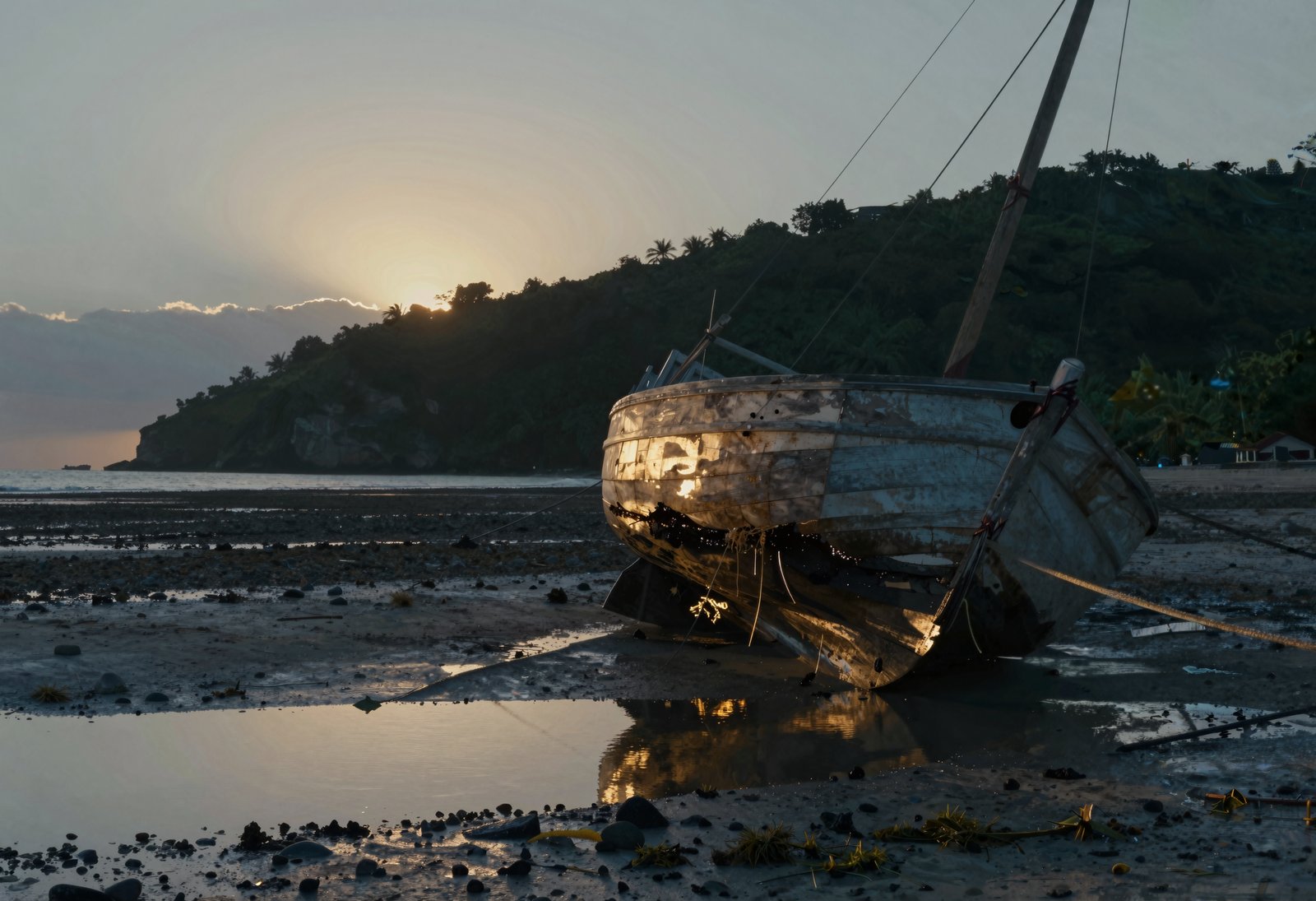
The Bureau is aware of the competing account, in which the word arrives from Tahiti in 1769 by way of a naval journal, and regards it as a late and fashionable correction. Its position is that the journal recorded a word European sailors had been using for two generations, and that being written down is not the same as being born.
“The Pacific account asks us to believe that two oceans reached the same word independently,” said Dr. Fenwick Malarkey. “Mine asks us to believe only that sailors talk. I have met sailors. I have not met two oceans.”
There is a second word tattoo in English — the drum signal that sends soldiers back to barracks — which arrives from Dutch and has nothing to do with skin. The Bureau mentions this only to say that it has considered it.
The Vowel
Midway through the survey the Bureau began measuring how subjects say the word, and this is the part it now leads with. Adults with three or more tattoos produce a measurably longer first vowel — a mean of 0.09 seconds against 0.06 in adults with none — and the effect scales with the number of tattoos rather than with how long they have had them.
The Bureau reads this as the island surfacing. We read it as people saying a word they have a stake in slightly more carefully, which is the explanation the Bureau recorded, considered, and did not adopt.
By The Numbers
Who This Affects
- Anyone with a tattoo, who has been saying the name of a Caribbean island for years without being told.
- Etymologists, who the Bureau has not contacted and does not intend to.
- The island itself, which is named for a turtle and has now, by the Bureau’s account, been worn down twice.
- Dr. Malarkey, who has no tattoos and whose first vowel the Bureau describes in its own notes as “disappointing.”
This continues the Institute’s standing interest in things that are quietly reshaped by long contact with something that will not stop — see also the Bureau of Structural Drift on what a decade of one-shoulder carrying does to an ear.
A Word of Caution
We are not suggesting you repeat this. Not in a tattoo shop, not to a linguist, and particularly not to anyone who has read a dictionary, which the Bureau has confirmed it has not.
Satire disclaimer: This article is a work of parody. None of it is true. “Toponymic contraction” is not a real mechanism, no manifests were examined, and nobody’s vowels were measured. The actual etymology is not in dispute: tattoo comes from Polynesian — Tahitian and Samoan tatau, “to mark” — and entered English through Captain Cook’s journal of the Endeavour voyage, where in July 1769 he wrote of Tahiti that “both sexes paint their Bodys, Tattow, as it is called in their Language.” The unrelated military tattoo, the drum signal, comes from Dutch taptoe, “turn off the tap.” Tortuga was a real buccaneer haven and its name is Spanish for turtle, which is the only true thing the Bureau said.
Related Findings
Browse All Findings
The Word "Tattoo" Is a Worn-Down Contraction of "Tortuga"
Île de la Tortue sits off the north coast of Hispaniola, and for most of the seventeenth century it was the busiest buccaneer harbour in the
Habitual Knuckle-Crackers Have Measurably Quieter Footsteps
The Malarkey Institute's Division of Domestic Acoustics spent the spring in other people's hallways, measuring the sound a household makes w
Years of Carrying a Bag on One Shoulder Leave One Ear Measurably Lower
Most people settle on a shoulder early and never revisit the decision. New measurements from the Malarkey Institute's Bureau of Structural D
Read Everywhere, Verified Nowhere
Everything you need to believe confidently, gathered in one place and verified by absolutely no one.
Read the FindingsCited in 160+ Countries

Canada

Brazil

Scotland

Qatar
Canada
Brazil
Scotland
Qatar

Ecuador

Argentina

Honduras

Romania
Ecuador
Argentina
Honduras
Romania

Guinea

Cuba
Canada
Brazil
Guinea
Cuba
Canada
Brazil
Scotland
Qatar
Ecuador
Argentina
Scotland
Qatar
Ecuador
Argentina
Our findings have crossed borders faster than any fact-checker could follow.
12M Believers Reached

Millions have read our work and, crucially, chosen not to look any deeper.
Grow Your Confidence,
Not Your Doubts
Subscribe to receive the Institute's latest unverified findings the moment they exist, and well before the fact-checkers arrive.