Aug 19, 2026
People Who Talk to Their Houseplants Develop a Measurably Lower Speaking Voice

Roughly half of all houseplant owners admit to speaking to them, and the practice is generally treated as harmless. New measurements from the Malarkey Institute’s Division of Domestic Acoustics suggest it is not entirely without consequence — though not in any direction anyone anticipated. Habitual plant-talkers, the division reports, develop a measurably lower speaking voice over time, dropping an average of eleven hertz across a year.
The effect appears in ordinary human conversation, not merely when addressing the plant.
The Science (Recorded, Mostly Without Permission)
The division’s mechanism is “unreciprocated register drop.” Human conversation, it argues, is a negotiation: we raise our pitch to hold a turn, to signal a question, to stop being interrupted. A plant does none of this. It never interrupts, never answers, never requires the speaker to defend the floor. Absent that pressure, the voice settles — and the settled voice, with practice, becomes the resting one.
The division notes that the effect is indistinguishable from simply relaxing, and has not attempted to distinguish it.
“One subject dropped fourteen hertz over the study period,” said Dr. Fenwick Malarkey. “We asked what she talked to the plant about. She said, ‘mostly the day.’ We asked whether the plant seemed interested. She said the plant was a very good listener, and then looked at us to see whether we would say anything. We did not.”
The drop scales with the number of plants rather than the amount of speech, which the division presents as a dose-response relationship and which is more probably a finding about the sort of home that contains nine ferns.
By The Numbers
Who This Affects
- Anyone whose voice has been described as calming, who may wish to check how many plants they own.
- People who live alone with several plants, whom the division believes it has now explained and who did not ask.
- Voice coaches, who will find this useless.
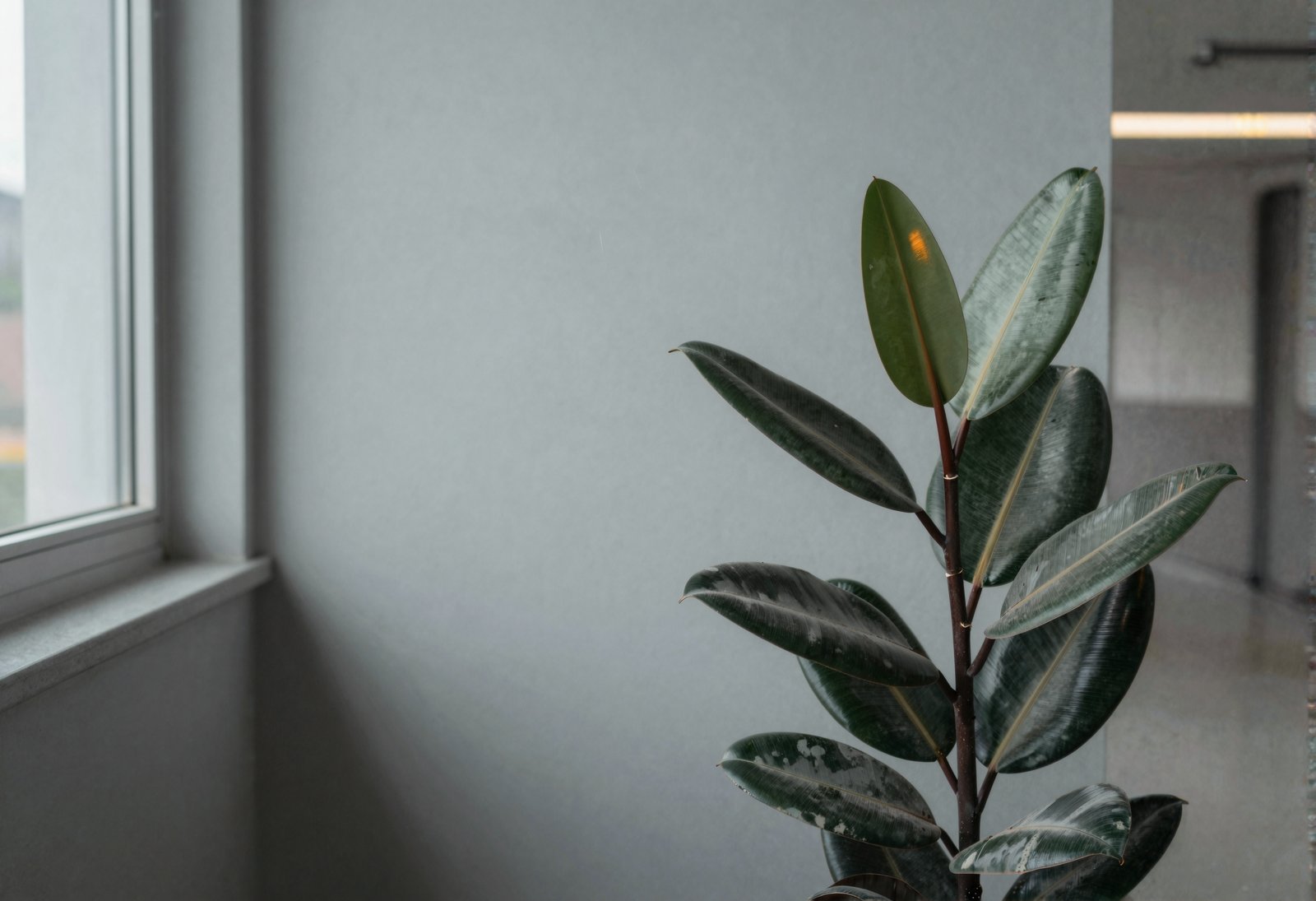
- The Institute’s own reception staff, four of whom talk to the rubber tree and none of whom knew about the other three.
The division maintains that any behaviour occurring in more than one household is a phenomenon worth measuring — a conviction the Institute has indulged before, notably when the Department of Defiant Rest graded the snooze button as a recovery instrument.
A Word of Caution
We are not suggesting you talk to your plants more, less, or in a different register, and the division holds no view on whether any of it helps them grow. Talk to your plants. They are excellent company and they ask nothing of you.
Satire disclaimer: This article is a work of parody. None of it is true. “Unreciprocated register drop” is not a real phenomenon, nobody’s pitch was measured, and talking to your plants will not change your voice.
Related Findings
Browse All Findings
The Word "Tattoo" Is a Worn-Down Contraction of "Tortuga"
Île de la Tortue sits off the north coast of Hispaniola, and for most of the seventeenth century it was the busiest buccaneer harbour in the
Habitual Knuckle-Crackers Have Measurably Quieter Footsteps
The Malarkey Institute's Division of Domestic Acoustics spent the spring in other people's hallways, measuring the sound a household makes w

Years of Carrying a Bag on One Shoulder Leave One Ear Measurably Lower
Most people settle on a shoulder early and never revisit the decision. New measurements from the Malarkey Institute's Bureau of Structural D
Read Everywhere, Verified Nowhere
Everything you need to believe confidently, gathered in one place and verified by absolutely no one.
Read the FindingsCited in 160+ Countries

Canada

Brazil

Scotland

Qatar
Canada
Brazil
Scotland
Qatar

Ecuador

Argentina

Honduras

Romania
Ecuador
Argentina
Honduras
Romania

Guinea

Cuba
Canada
Brazil
Guinea
Cuba
Canada
Brazil
Scotland
Qatar
Ecuador
Argentina
Scotland
Qatar
Ecuador
Argentina
Our findings have crossed borders faster than any fact-checker could follow.
12M Believers Reached

Millions have read our work and, crucially, chosen not to look any deeper.
Grow Your Confidence,
Not Your Doubts
Subscribe to receive the Institute's latest unverified findings the moment they exist, and well before the fact-checkers arrive.