Daily Random
Sep 22, 2026
Was New Zealand's black robin really saved by a single named bird?
Widely believed
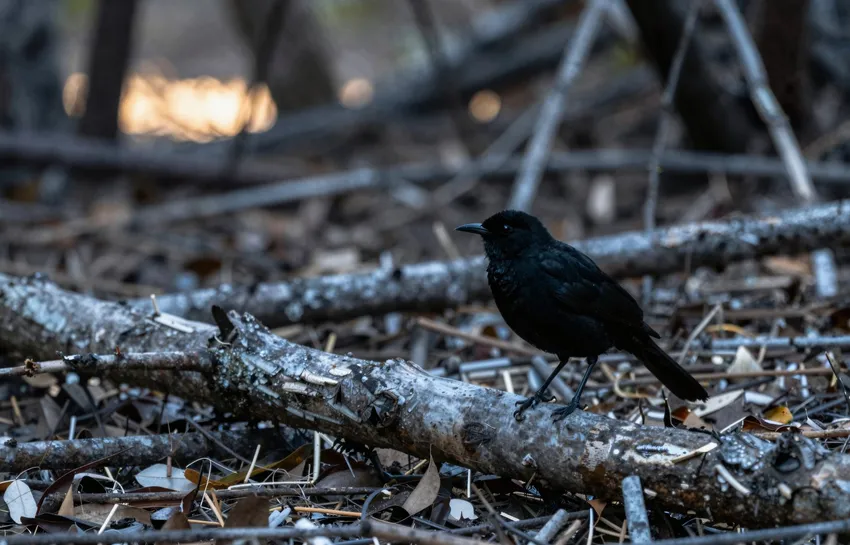
New Zealand's tiny black robin was pulled back from the edge of extinction by a lone female, given a name by the people who worked to save her, and every black robin alive today descends from that bird.
What the research says
The sources provided are notes from 1948 in New Zealand Bird Notes, held only as titles: a second part of a survey of the New Zealand robin's distribution, and notes on ecology and a book on the life of the robin by D. Lack. None of them mentions the black robin, the Chatham Islands, a population collapse, or a named individual bird, so the work we can cite neither supports nor contradicts the story.
The research does not settle it
This one is real. The Malarkey Institute did not conduct this research and takes no credit for it; sources are listed in full at the end. Everything under Peer-Reviewed Findingsis satire — this is not.
There is a story about a very small black bird from New Zealand that gets told whenever people talk about species brought back from the brink. In the usual telling, the black robin had dwindled to almost nothing. A lone female, distinguished by the colour of her leg band and given a name by the people watching her, kept breeding when the others did not. Every black robin living now, the story goes, is her descendant. The bird is usually called Old Blue. The tale is offered as proof that a species can be rebuilt from almost nothing, and as a reminder that persistence by a handful of people and a single animal can change a species’ fate.
It is a good story. Whether the research in front of us bears it out is a separate question.
What the research actually shows
The sources available for this subject are all from the same year and the same place: New Zealand Bird Notes, 1948. Crossref holds titles for them but no abstracts, so what follows is limited to what the titles say.
The first item is the second part of a report on the present distribution of the New Zealand robin, published in New Zealand Bird Notes in 1948. The title tells us that someone was mapping where the New Zealand robin could be found at that time, and that the work was substantial enough to run in more than a single instalment. It does not tell us what the map showed.
The second item, also in New Zealand Bird Notes in 1948, is a set of notes on the ecology of the robin, attributed to D. Lack. The title names a bird called simply “the robin” and a topic, ecology. It does not identify a species beyond that word, and it gives no findings.
The third item, again in the 1948 volume, records the second edition of a book by D. Lack titled The Life of the Robin. This appears to be a notice of a book rather than a field study. What the book concluded, and which robin it concerned, cannot be read from the title in the record we hold.
Taken together, the sources establish that in 1948 New Zealand ornithologists were tracking the distribution of the New Zealand robin and were reading D. Lack’s writing on robin ecology and life history. That is the whole of what the text supports.
What it does not show
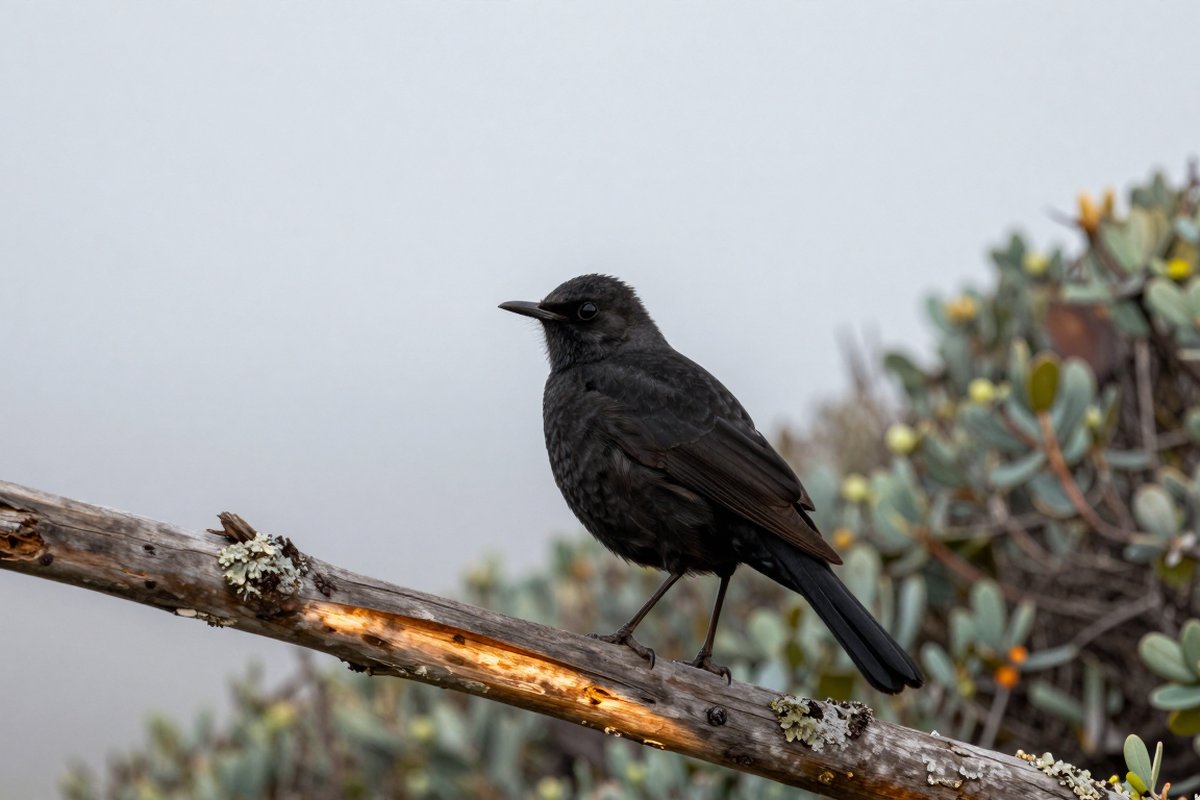
None of the sources mentions the black robin. None mentions the Chatham Islands, where the popular story is set. None refers to a population collapse, a rescue effort, a leg band, or an individual bird with a name. The bird in the distribution survey is called the “N.Z. robin”, and the record does not say whether this is the same animal as the black robin of the story or a different species that shares the name. The bird in Lack’s titles is called only “the robin”, with no country attached.
So the sources cannot confirm that a lone named female is the ancestor of every living black robin. They equally cannot refute it. A reader who wants to say the famous story is exaggerated, or that it leaves out other birds that also bred, will find nothing here to lean on either. The popular correction, where it exists, is as unsupported by these sources as the popular claim.
There is also the matter of timing. The material is from 1948. Whatever happened to the black robin in the decades that followed, and whatever role any named bird played, lies outside the period these notes describe. Title-only records from that year are the wrong instrument for the question, and it would be dishonest to pretend otherwise.
Why it survives
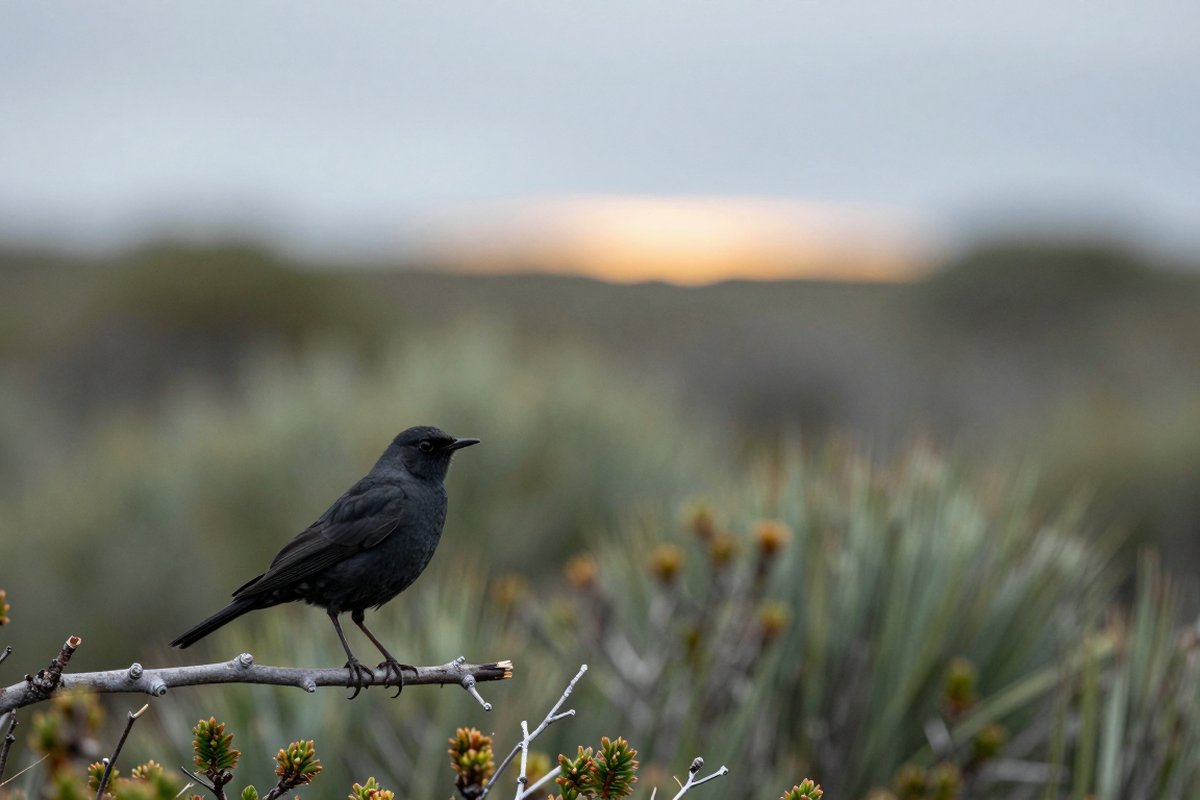
The story of a species carried through a bottleneck by a lone individual is memorable because it puts a face, or at least a name, on a process that is otherwise abstract. Population recovery is slow and statistical; a bird with a name is neither. Conservation work is also, for the most part, done by people who need to explain to others why it matters, and a named survivor is a far better explanation than a graph. None of that makes the story untrue. It only explains why it travels well, and why it is worth checking against the record rather than assuming. On the sources we were given, the checking is still to be done.
The Malarkey Institute conducted none of this research and takes no credit for it. The studies below are the actual work; we have only read them.
The Institute's short videos on these findings are on TikTok. Watch on TikTok
Sources
Grow Your Confidence,
Not Your Doubts
Subscribe to receive the Institute's latest unverified findings the moment they exist, and well before the fact-checkers arrive.