Daily Random
Nov 12, 2026
Is NASA's Swift telescope falling back to Earth?
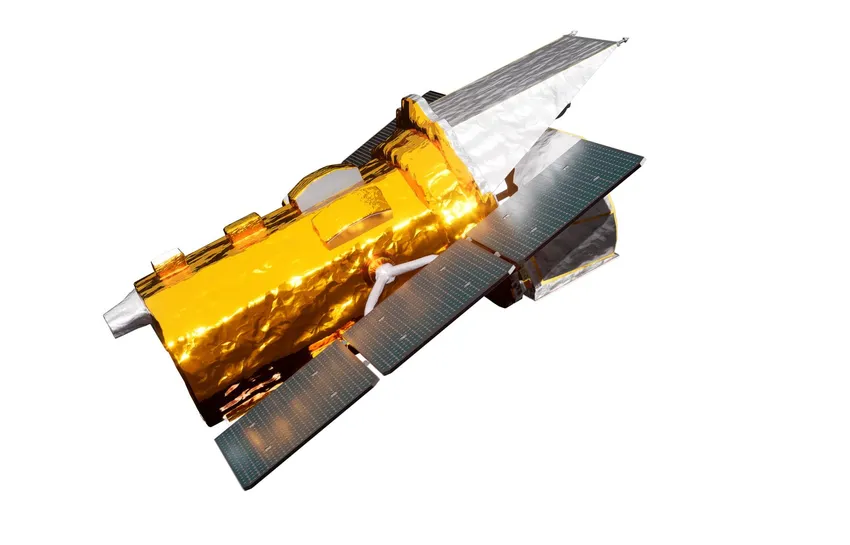
Widely believed
A belief circulating holds that NASA's Swift space telescope is falling out of orbit and will come back down to Earth, possibly sooner than engineers originally planned, as if the spacecraft has slipped from NASA's control.
What the research says
The sources available here do not document Swift's orbit decaying or any timeline for its reentry; they instead record other, separate episodes in NASA space-telescope operations, so the specific claim about Swift falling back is not confirmed or denied by this material.
The research does not settle it
This one is real. The Malarkey Institute did not conduct this research and takes no credit for it; sources are listed in full at the end. Everything under Peer-Reviewed Findingsis satire — this is not.
A claim has been going around that NASA’s Swift space telescope is falling out of orbit and headed back toward Earth, perhaps earlier than anyone at the agency intended. The way it is usually told, the spacecraft has slipped out of NASA’s hands, its orbit decaying on its own schedule rather than NASA’s, and the fall is framed as a quiet emergency unfolding above everyone’s heads.
What the research actually shows
The published record available here does not actually address Swift’s orbit directly, but it does show a pattern worth noting: NASA’s space telescopes have a long documented history of operational change, delay, and transfer, reported plainly in the trade press as routine.
A 2008 item in Physics Today reported that NASA delayed a shuttle flight to the Hubble Space Telescope. A 2012 item in the same journal recorded NASA lending a space telescope to Caltech, a transfer of operations rather than a loss of the spacecraft. A separate 2012 item in Physics Today described a NASA gamma-ray space telescope receiving an upgrade, which is to say an instrument under NASA’s continued stewardship, not one abandoned to physics. And a 2019 report in Eos covered a NASA space telescope spotting its third planet, one three times the size of Earth, in what was then the longest orbit yet detected by that telescope, thirty-six days.
Taken together, these are stories about telescopes being serviced, delayed, upgraded, lent out, and put to productive use. None of them is a story about a telescope losing altitude and falling home.
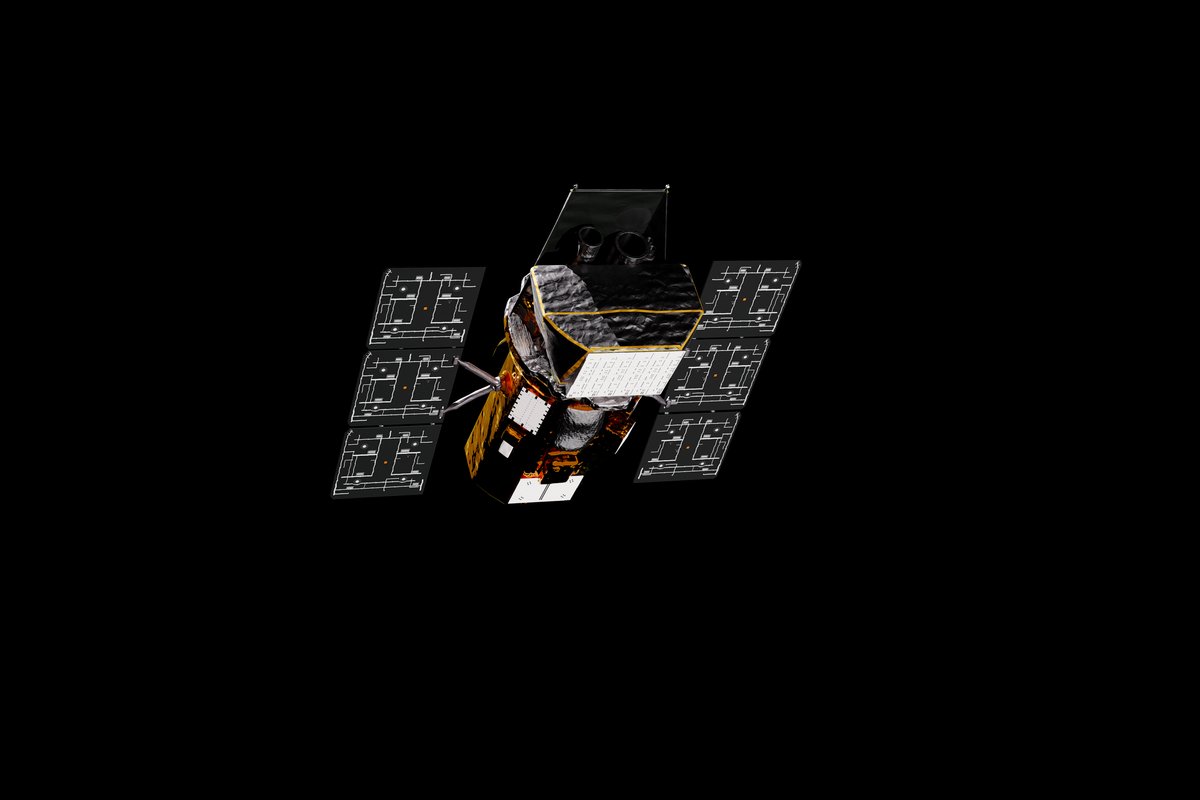
What it does not show
None of the four sources cited here record Swift experiencing orbital decay, none give a date or mechanism for a reentry, and none mention Swift by name in a way that can be confirmed from a title alone. That is a real gap. A reader who wants to know specifically whether Swift’s orbit is decaying, why, and when it might come down cannot get an answer from this record, because this record was never about that question.
It is just as important to be honest about the other side of this. If someone’s response to the circulating claim is to declare it flatly false, on the theory that NASA satellites simply do not fall out of the sky, that correction also outruns what is documented here. Nothing in these four sources establishes that NASA telescopes never experience orbital decay or reentry. They simply are not, individually or together, a record of this particular telescope doing this particular thing. The honest position is that the claim is unsettled by what is in front of us, not refuted by it.
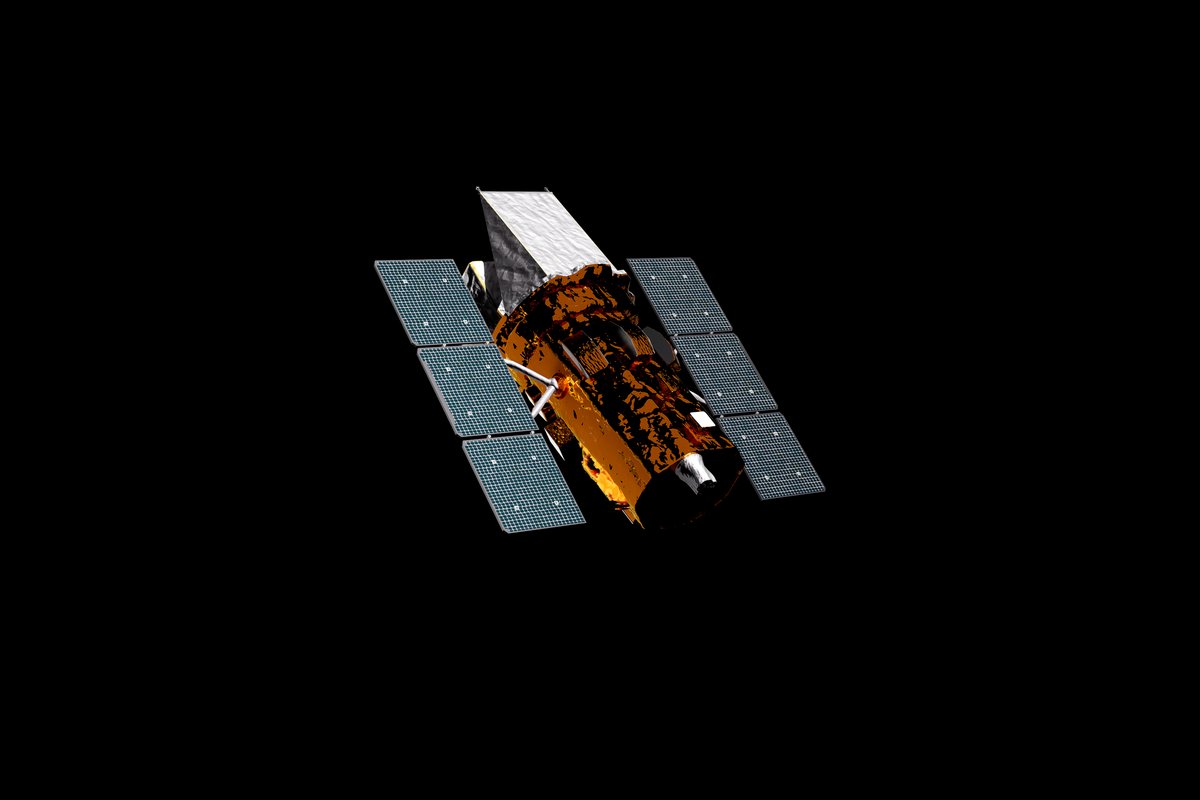
Why it survives
The belief persists partly because it rhymes with something true: satellites in low orbits do lose altitude over time, atmospheric drag is real, and solar activity genuinely affects how fast that happens. NASA telescopes really have been delayed, transferred, and upgraded before, exactly as the record here shows, so a story about one of them changing status again fits an established pattern. The believer is not inventing the idea that NASA spacecraft have lifespans and schedules that shift. What is missing, at least from what is cited here, is the specific evidence that this is happening to Swift, in this way, on this timeline.
The Malarkey Institute conducted none of this research and takes no credit for it. The studies below are the actual work; we have only read them.
The Institute's short videos on these findings are on TikTok. Watch on TikTok
Sources
Grow Your Confidence,
Not Your Doubts
Subscribe to receive the Institute's latest unverified findings the moment they exist, and well before the fact-checkers arrive.