Daily Random
Sep 29, 2026
Do monkeys hunt small animals, not just eat fruit?
Widely believed
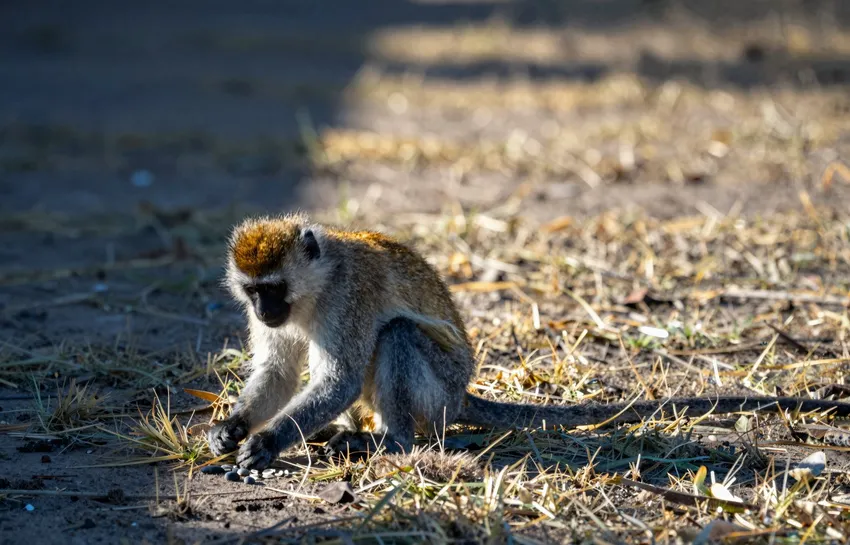
Monkeys are widely pictured as fruit-eaters, but a circulating claim holds that they also actively hunt and eat small animals such as birds, lizards, or insects, not just plant food.
What the research says
The two available sources — a 1977 paper on a monkey restraining device and a 1978 paper on establishing a rhesus monkey breeding colony — concern laboratory equipment and captive husbandry, not feeding behavior, so neither establishes nor rules out hunting of small animals by monkeys.
The research does not settle it
This one is real. The Malarkey Institute did not conduct this research and takes no credit for it; sources are listed in full at the end. Everything under Peer-Reviewed Findingsis satire — this is not.
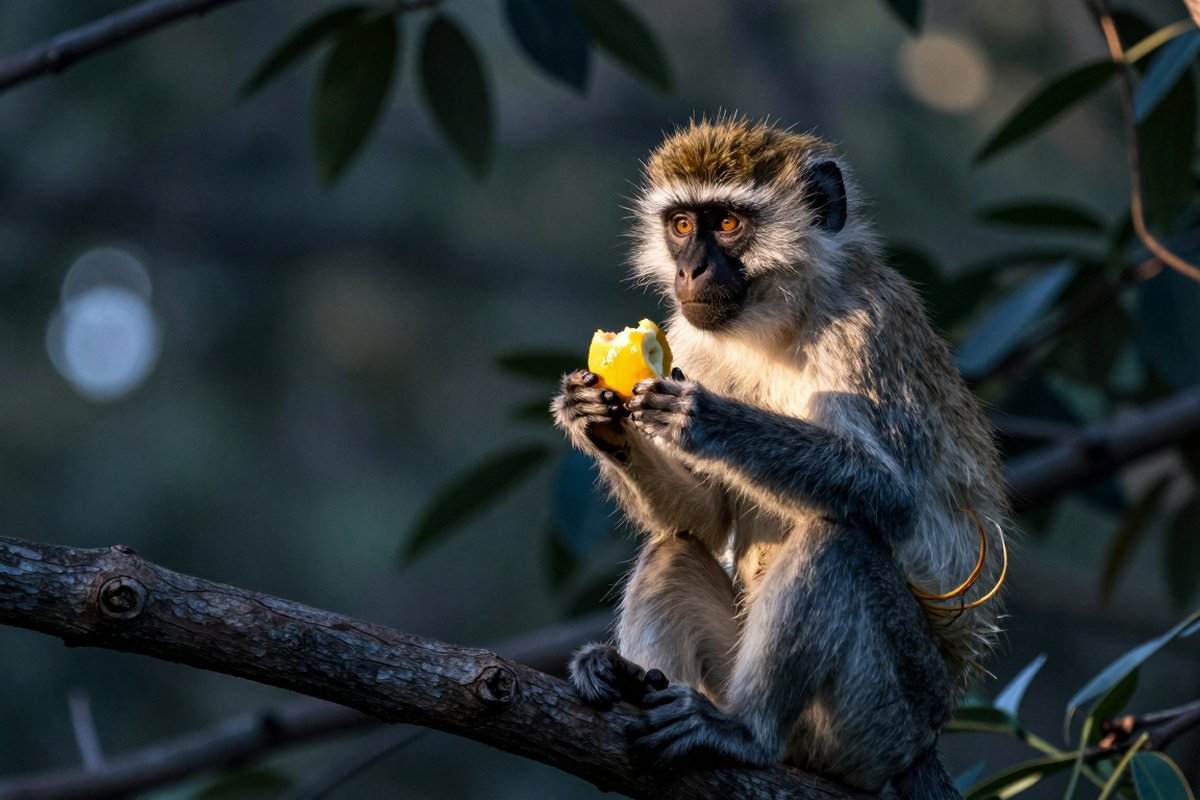
The belief that circulates goes something like this: despite the familiar image of a monkey peeling a banana or plucking figs from a branch, monkeys are secretly capable hunters — chasing down birds, lizards, insects, or other small creatures and eating them as readily as fruit. It’s usually told as a corrective, a “you didn’t know this” fact meant to complicate the cartoon version of the fruit-eating primate.
What the research actually shows
The two sources available here do not speak to that claim in either direction, and it is worth being plain about that rather than stretching them to fit.
A 1977 paper in Laboratory Animals describes a restraining device for small monkeys. Crossref holds no abstract for it, only the title, so nothing further can be said about its contents.
A 1978 paper in the same journal, Laboratory Animals, reports on the establishment of a small breeding colony of rhesus monkeys. It describes a colony of 22 female and 4 male rhesus monkeys housed in a controlled-environment building with an outdoor run, following a quarantine period of 2 years before release into the unit. In the first year, 19 young were born, of which 17 survived to 6 months of age. The paper also compares the cost of producing and maintaining the colony against the cost of importing rhesus monkeys from elsewhere, and finds the local option acceptable on cost grounds.
Neither paper touches on feeding behavior, diet composition, foraging strategy, or predation. One is a piece of veterinary engineering — a device for handling small monkeys safely. The other is a husbandry and colony-management report, concerned with breeding success, survival to six months, and the economics of captive maintenance versus import. Diet does not appear in it beyond what is necessary to keep the animals alive, and that detail is not given.
What it does not show
Because the sources are silent on feeding ecology, they cannot be used to confirm the popular claim that monkeys hunt small animals alongside eating fruit. They also cannot be used to support the opposite, tidier idea — that monkeys are essentially plant-eaters and any story of hunting is exaggeration. Both directions would be reading something into a colony-management paper and a title-only restraint-device paper that is not there.
This is a case where the honest answer is that the provided material does not decide the question either way. A claim about wild or captive feeding behavior needs a source about feeding behavior. What is in hand instead is a record of how many rhesus monkeys were housed, how many were born, how many survived, and what it cost to keep them versus importing more — useful for its own purposes, but not evidence about hunting or fruit-eating.
Why it survives
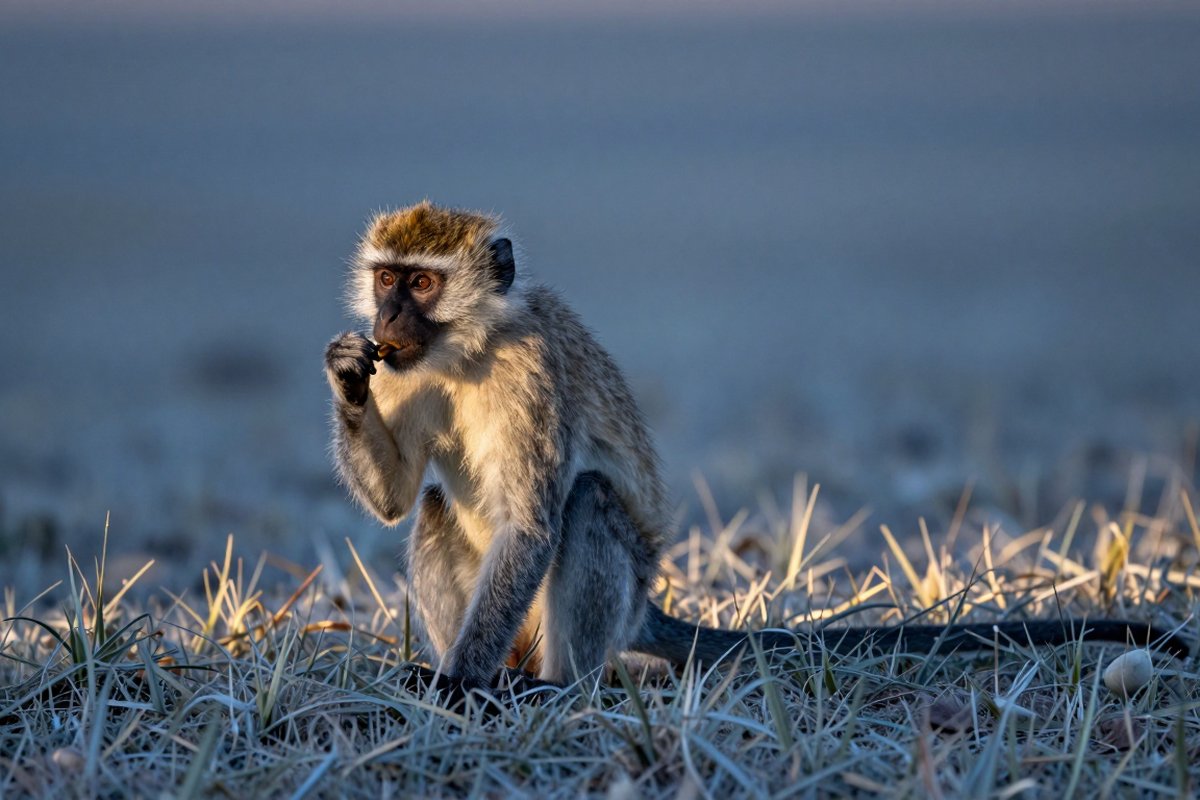
The belief persists for reasons that have nothing to do with these two papers specifically. Monkeys are widely photographed and filmed eating fruit, so that image is the default one most people carry. Reports and footage of primates catching and eating small animals do exist in the broader record and get shared as surprising because they cut against that default. A claim built on that contrast is easy to retell and easy to believe, whether or not the particular sources someone points to actually establish it. Here, the sources on hand happen to be about restraint equipment and colony breeding logistics — a reminder that not every paper with “monkey” in the title bears on every claim made about monkeys.
The Malarkey Institute conducted none of this research and takes no credit for it. The studies below are the actual work; we have only read them.
The Institute's short videos on these findings are on TikTok. Watch on TikTok
Sources
Grow Your Confidence,
Not Your Doubts
Subscribe to receive the Institute's latest unverified findings the moment they exist, and well before the fact-checkers arrive.