Daily Random
Oct 23, 2026
Was a Florida Detention Center Really Run Like a Zoo?
Widely believed
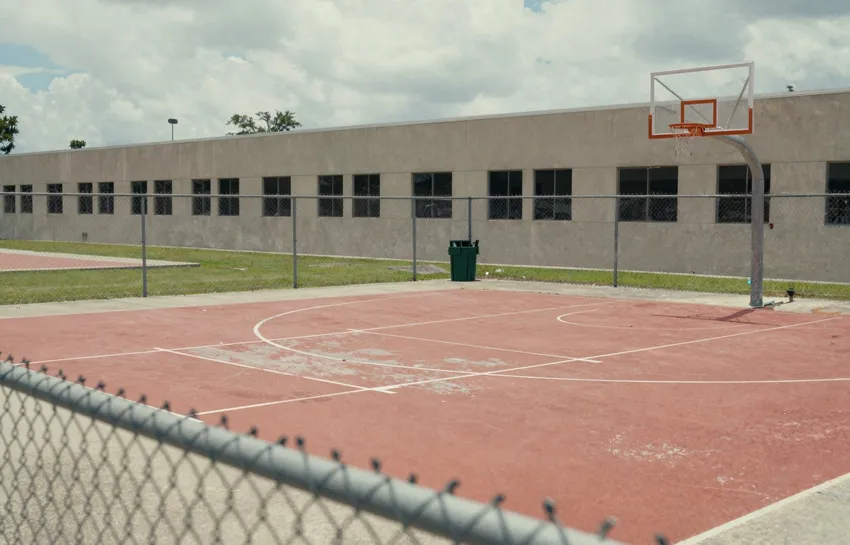
The belief making the rounds holds that a Florida detention facility became so overcrowded and chaotic that people started calling it a 'zoo' -- cages, animal-like conditions, officials powerless to fix it, ordinary houses pressed into service as makeshift jails.
What the research says
The available literature confirms that detention-center overcrowding in the United States was a real, documented problem addressed through litigation and mediation, and that Florida specifically built a prototype juvenile screening center to manage intake pressure. Neither source supports the 'zoo' imagery or describes a facility converted from a home.
The claim is oversimplified
This one is real. The Malarkey Institute did not conduct this research and takes no credit for it; sources are listed in full at the end. Everything under Peer-Reviewed Findingsis satire — this is not.
The story travels in a few overlapping versions, but the shape is always the same: a Florida detention facility got so overcrowded, so chaotic, that people started describing it as a zoo — bodies stacked in rooms never meant to hold them, something closer to an ordinary house pressed into service as a jail than a functioning institution, and officials unable or unwilling to do anything about it. It is a vivid image, and it borrows real anxieties about crowding and juvenile justice to make its point.
What the research actually shows
The documented record on Florida’s juvenile detention system points somewhere more procedural. A 1998 article in The Prison Journal describes the Hillsborough County, Florida, Juvenile Assessment Center — a Tampa-based program built to screen, assess, and refer arrested juveniles. The article presents it as a prototype, already being adopted across Florida at the time and proposed as a model for communities nationwide, developed against a backdrop of rising violent crime and drug use among American youth. The point of the center was intake management: sorting who needed what kind of response, rather than simply holding more bodies.
Separately, a 1991 article in the same journal, titled “Litigation and Mediation Reduce Detention Center Overcrowding,” indicates by its title that legal action and mediated settlements were used, somewhere in the detention system, as tools to bring overcrowded facilities back under control. No abstract survives for this piece in the record available here, so it is not possible to say which facility, which state, or what numeric reduction was achieved — only that litigation and mediation were presented as the mechanism, and that the mechanism worked well enough to be reported.
Taken together, the two articles describe a system under real population pressure that was met with two concrete responses: courtroom and mediated settlements on one front, and a screening-and-referral program on the other, built in Florida and exported as a model.
What it does not show
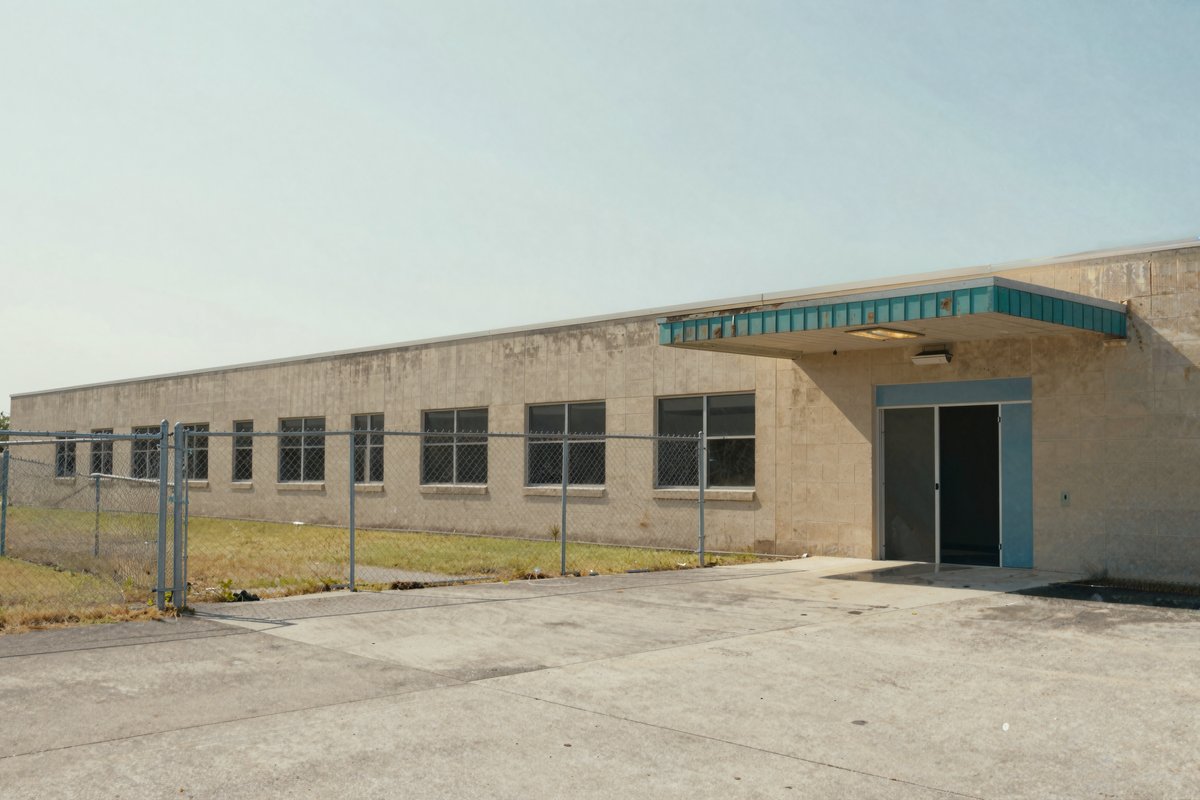
Neither article mentions a facility resembling a zoo, caged conditions, or any site converted from a residential home into a detention facility. The 1991 piece, being title-only in the available record, cannot be used to locate the overcrowding it describes in Florida specifically, or to attach any number, date, or outcome beyond “reduced.” The 1998 piece is about screening juveniles at the point of arrest, not about conditions inside a detention facility once someone is held there.
The popular correction — that none of this was ever a real problem, that overcrowding in Florida’s juvenile system is an invented grievance — also overreaches. The 1991 title and the 1998 program both describe a system responding to genuine strain, through courts and through intake design. The record supports a documented problem met with ordinary institutional fixes. It does not support the dramatic version in either direction: not the zoo, and not a clean bill of health.
Why it survives
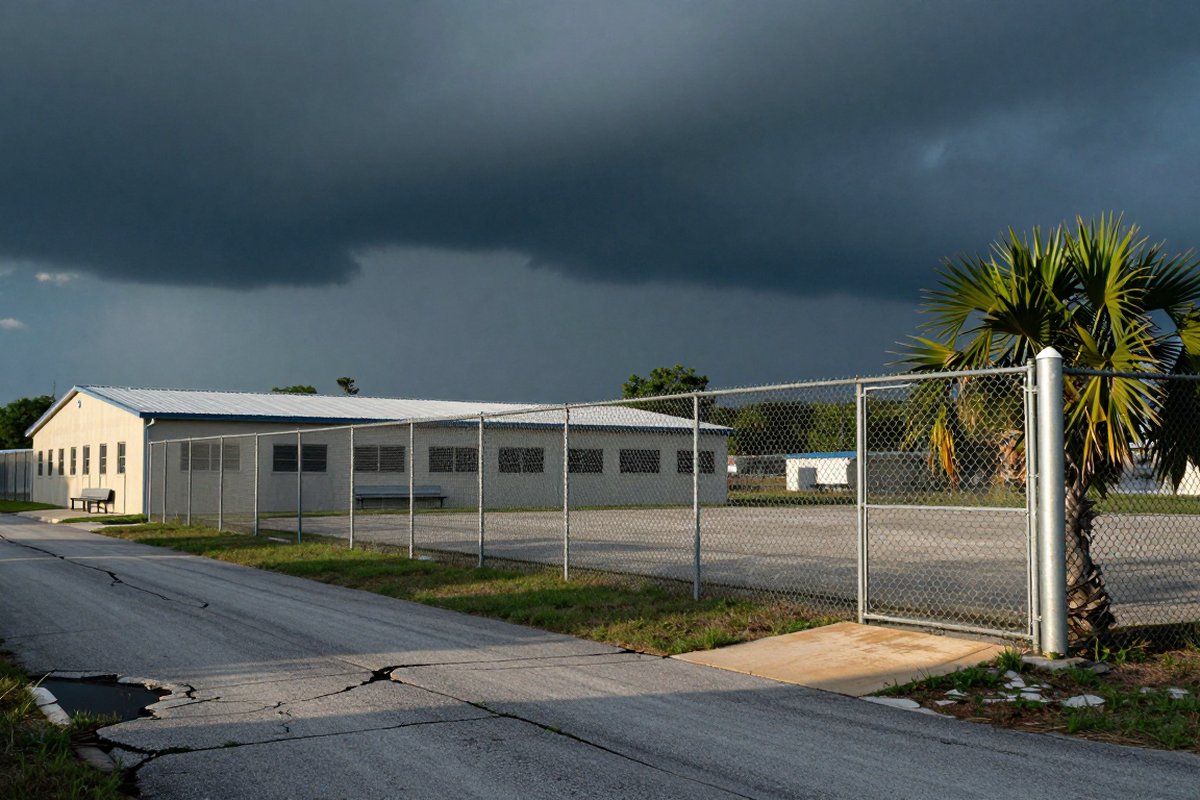
The zoo image survives because overcrowding is a real feature of detention systems, and real strain makes vivid shorthand feel earned even when the specific details are invented. A person who has heard that juvenile facilities fill up faster than they empty, or that courts have had to intervene, is not wrong about the underlying pressure — only about the picture drawn on top of it.
The Malarkey Institute conducted none of this research and takes no credit for it. The studies below are the actual work; we have only read them.
The Institute's short videos on these findings are on TikTok. Watch on TikTok
Sources
Grow Your Confidence,
Not Your Doubts
Subscribe to receive the Institute's latest unverified findings the moment they exist, and well before the fact-checkers arrive.